More than one memorable line
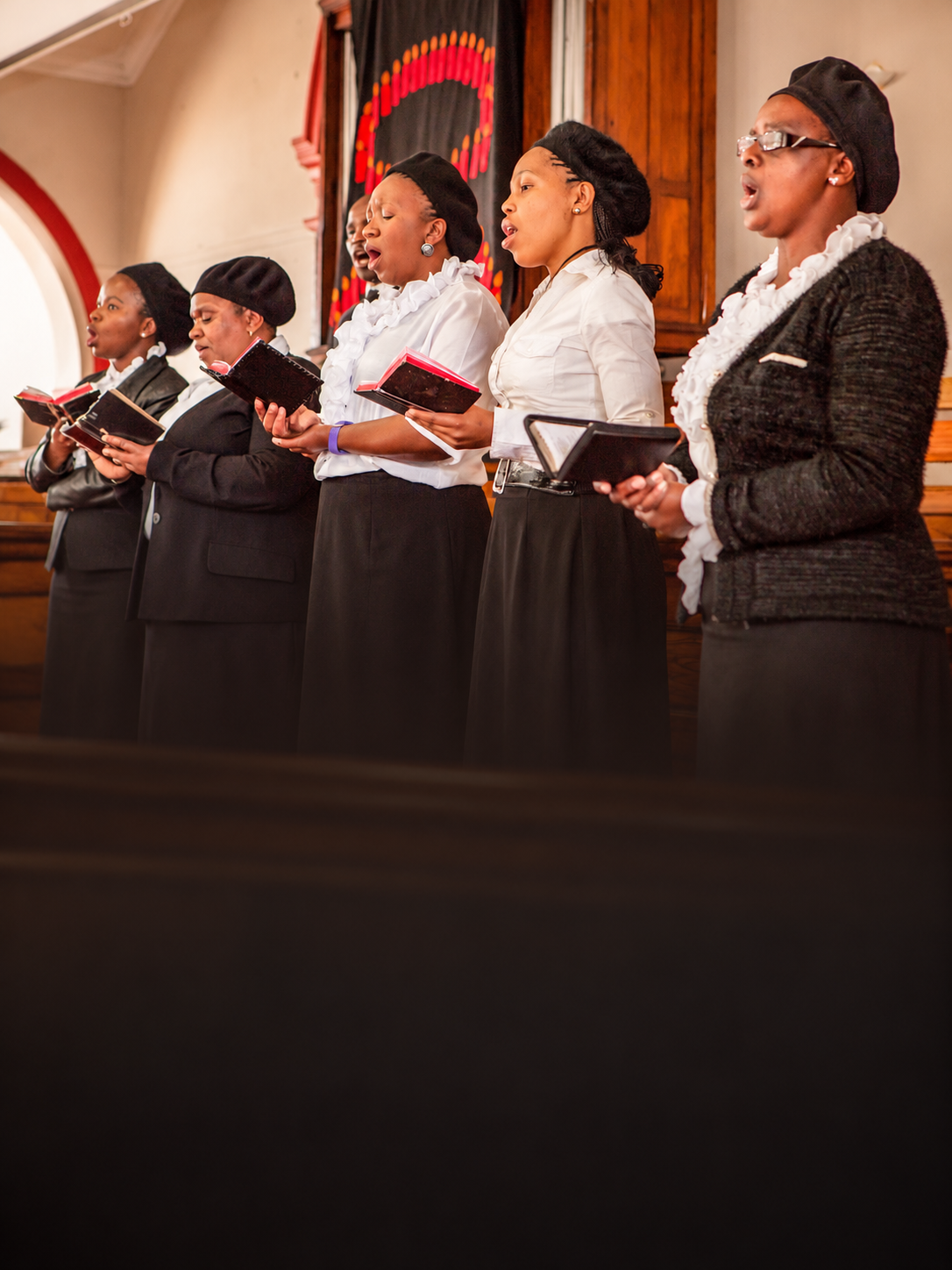
I first heard UYesu uya kulawula through Vincent Mboniswa’s rendition. His singing moved me and made me want to know more about the hymn. As I began looking into its history, I discovered that the words had travelled a long way before reaching me in isiXhosa.
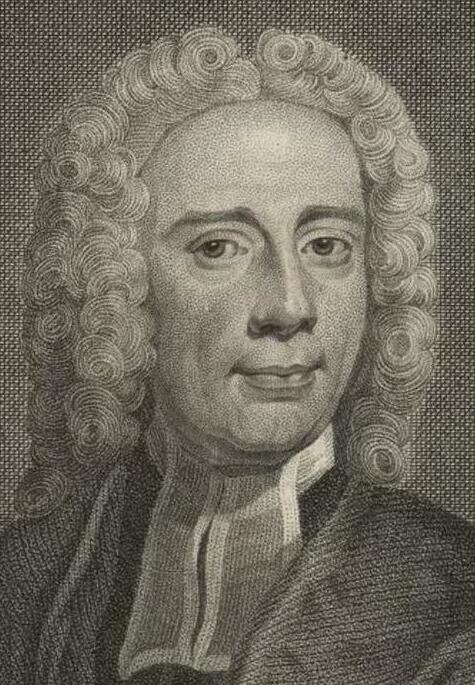
The hymn is a translation of Isaac Watts’s Jesus Shall Reign, published in 1719 and based on Psalm 72. Watts is also the author of the famous hymn When I Survey the Wondrous Cross, which many of us love to sing around Easter. The isiXhosa translation of UYesu uya kulawula is credited to N. P. Makaluza. Discovering that history gave me a deeper appreciation for what I was hearing: an old hymn rooted in Scripture, brought into our own language so that we could understand it, sing it, and make its words our own.
Sources: Hymnary: Jesus Shall Reign (1719; Psalm 72) · Hymnary: When I Survey the Wondrous Cross · MCSA Hymns: hymn 94, translator credited as N. P. MakaluzaFor he shall deliver the needy when he crieth; the poor also, and him that hath no helper. He shall spare the poor and needy, and shall save the souls of the needy. He shall redeem their soul from deceit and violence: and precious shall their blood be in his sight.
Psalm 72:12–14, KJV
As Mboniswa’s rendition became more widely known, I noticed that people who had come to the hymn through his singing often lingered over just the last line of verse four: “Aneliswe osweleyo”—“Let the needy be satisfied.” They would sing it again and again. It is easy to understand why. When we are living with need, disappointment, and uncertainty, those words speak directly to what we long for today.
Aneliswe osweleyo.
UYesu uya kulawula · sung by Vincent Mboniswa

Watts’s corresponding English line reads, “And all the sons of want are blest”—those in need are blessed. The isiXhosa wording expresses that hope with beautiful directness: the needy person is satisfied. Yet I began to wonder whether, in holding on to that one line, we were missing the riches of the hymn around it. Its words direct us to Jesus Christ, to the blessings of his reign now, and to the fullness still to come. The whole hymn has more to offer us than a moment of relief from today’s troubles.
Recovering the whole song
Repetition can help us dwell on truth, as Psalm 136’s repeated declaration of God’s steadfast love shows. But a favourite line becomes richer when we hear the truths around it. The opening verse announces a reign as wide as the sun’s journey: “Both’ ubukumkani baKhe / Buzalise zonk’ iindawo”—his kingdom filling every place. “Neminyaka ingapheli”—years without end—takes our hope beyond our own lives. Verse two offers prayer, “Iintandazo ngeentandazo,” and rising praise, “Zonyukela iindumiso,” to this King. Verse three gathers every tongue, “Zithi zonk’ iilwimi zabo,” and even infants’ voices, “amazw’ eentsana,” into praise of his love.
Verse four names his blessings: “Awe amakhamandela”—chains fall; “Aphunyuzw’ odiniweyo”—the weary are given rest; “Aneliswe osweleyo”—the needy are satisfied. These blessings begin now in Christ and await their fullness at his return. The final verse calls creation to bow, “Ma ziguqe phambi kwaKhe,” and join those in heaven, “Zidibane nabezulu,” in giving him glory. “Aneliswe osweleyo” belongs within this vision of Christ’s everlasting reign. Our congregations need songs that teach us as we sing. Recovering the whole hymn allows its theology to shape our understanding.
Our congregations need songs that teach us as we sing.
Lwandiso Dlokweni
Hearing truth in our own language
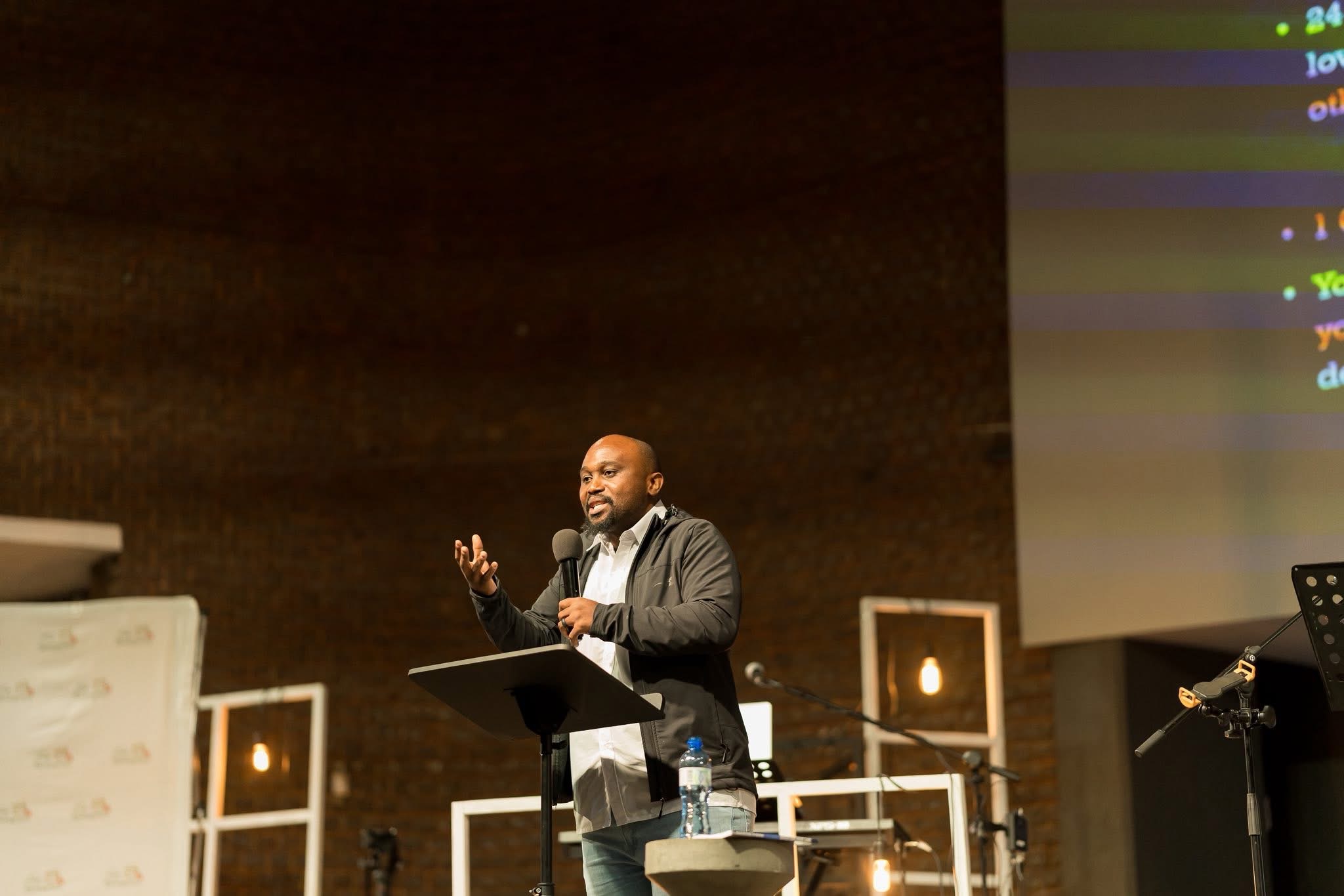
Tracing the hymn back to Watts and Psalm 72 also helped me appreciate what happens when these truths are sung in our own language. When I listen to the English hymn and then hear it in isiXhosa, I recognise the same biblical truth. Yet it reaches me with a different force in my own language. There is a weight to “Awe amakhamandela.” There is tenderness in “Aphunyuzw’ odiniweyo.” And “Aneliswe osweleyo” expresses a longing that I feel deeply.
Kozalis’ iintsikelelo Aph’ uYes’ alawulayo; Amakhonkxwa akhululwe, Awe amakhamandela; Aphunyuzw’ odiniweyo, Aneliswe osweleyo.
UYesu uya kulawula · sung by Vincent Mboniswa
This is part of the gift of translation. Biblical truth can be faithfully communicated across languages, and people can receive it through words, rhythms, and expressions that are deeply familiar to them. I cannot assume that the translator’s motive was that the English lacked force. But hearing the isiXhosa helps me appreciate why translation matters. What moved an English congregation can become intelligible, memorable, and deeply moving within another language. The hymn itself anticipates this: people of every tongue praising Christ. Singing it in isiXhosa gives us a small glimpse of that vision.
People and realms of ev’ry tongue Dwell on His love with sweetest song;
Isaac Watts · Jesus Shall Reign
Letting Scripture shape our singing
The hymn’s richness comes from its roots in Psalm 72. That psalm prays for a righteous king who defends the poor, delivers the needy, and rescues people from oppression. Its vision extends to the ends of the earth. Watts reads these royal promises in the light of Jesus Christ.
UYesu uya kulawula Aph’ ilanga lihambayo;
UYesu uya kulawula · sung by Vincent Mboniswa
This is something our churches should recover: songs deeply nourished by Scripture. The Psalms are God-given songs. They teach us to praise, lament, confess, remember, give thanks, and wait. They give us words for suffering as well as celebration. They direct our attention to God’s character, his works, and his promises.
Our hymns are human compositions and must be tested by Scripture. Their age does not guarantee their faithfulness. But hymns such as this one show how powerfully a song can serve the church when biblical truth shapes its content. Colossians 3:16 connects our singing with the word of Christ dwelling richly among us. We should therefore ask of our songs: what are they teaching us to believe, desire, and expect?
Learning to sing with expectation
This hymn also reminds me of something we can lose in our worship: the expectation of Christ’s return. Older Christian songs often give that hope a prominent place. In English, Lo! He Comes with Clouds Descending directs our attention to the returning Christ. In isiZulu, Nxa ebizwa amagama anticipates the gathering of the Lord’s people and the resurrection. And in isiXhosa, UYesu uya kulawula carries our imagination towards Christ’s everlasting kingdom. These songs teach us to look beyond our present circumstances.
Jesus already reigns, and his freedom, rest, and satisfaction are real now. He breaks sin’s dominion and frees us from its guilt (Romans 6:6–14; 8:1). He says, “I am the bread of life” (John 6:35), invites the thirsty to drink (John 7:37–39), and promises, “I will give you rest” (Matthew 11:28). We rest in his grace rather than performing to earn God’s acceptance. Yet we still battle sin and wake each day needing food and strength. This does not mean that Christ is insufficient: the life he has begun in us awaits its completion.
Christ also cares for our bodily needs. In his earthly ministry he healed the sick and fed the hungry, and he calls his church to care for those in need. He provides through ordinary means, through the generosity of his people, and sometimes through remarkable answers to prayer. We should ask him for daily bread, peace, and healing. Yet his care does not mean that every illness will be healed now, every hardship removed, or every longing fulfilled before we die. Faithful Christians still suffer, grow old, and bury those they love.
Lazarus helps me see the difference. Jesus raised him from the grave, but Lazarus was restored to mortal life: he would face death again. His need was wonderfully met, but he had not entered a life free from every need. We may pray for a job and receive one, only to find ourselves mistreated at work. The answer to prayer is real, but it does not remove every trouble. No blessing in this fallen world brings complete and lasting freedom from need. Yet Jesus declares, “I am the resurrection, and the life” (John 11:25). He gives life to those who believe in him now, and he will raise his people bodily on the last day (John 5:24–29; 6:40). The life he gives will finally be enjoyed in bodies that no longer decay.
The weary find eternal rest, And all the sons of want are blest.
Isaac Watts · Jesus Shall Reign
The hymn’s weary find eternal rest. Those who toil for the gospel will finally rest from persecution, temptation, and their struggle with sin and the world (Revelation 14:13). Christ’s reign gives us confidence to pray today and strength to wait. When he makes all things new, death, mourning, crying, and pain will pass away (Revelation 21:4–5). In his presence he will sustain us forever: no hunger or unmet need will trouble us again (Revelation 7:15–17). Our deepest satisfaction is already found in Christ; our complete freedom from suffering is still to come.
Prosperity teaching can train us to hear every promise as a guarantee of health, wealth, and relief now. Then we cling to the line that sounds like the answer we want, while overlooking the truths that teach us to endure and wait. We can do this with a hymn, and we can do it with Scripture: lift out a moving phrase and lose the message around it. Some contemporary worship encourages that habit when a repeated line carries the emotion while the wider biblical story fades from view. Our singing should help us hear that story more fully, so that our hope can carry us through suffering as well as answered prayer.
So let us sing “Aneliswe osweleyo” with feeling—and let us sing the hymn around it. Let it teach us who satisfies the needy, how he sustains us now, and what he will complete when he returns. We may still be waiting for healing, grieving someone we love, or wondering how tomorrow’s needs will be met. Jesus reigns in the midst of that waiting. And when we see him, our hope will be fulfilled: the weary will rest, death will be gone, and the needy will lack nothing. Aneliswe osweleyo.
Our deepest satisfaction is already found in Christ; our complete freedom from suffering is still to come.
Lwandiso Dlokweni