

Question 01 of 20 · Identity
Must I leave my African skin at the door to follow Christ?
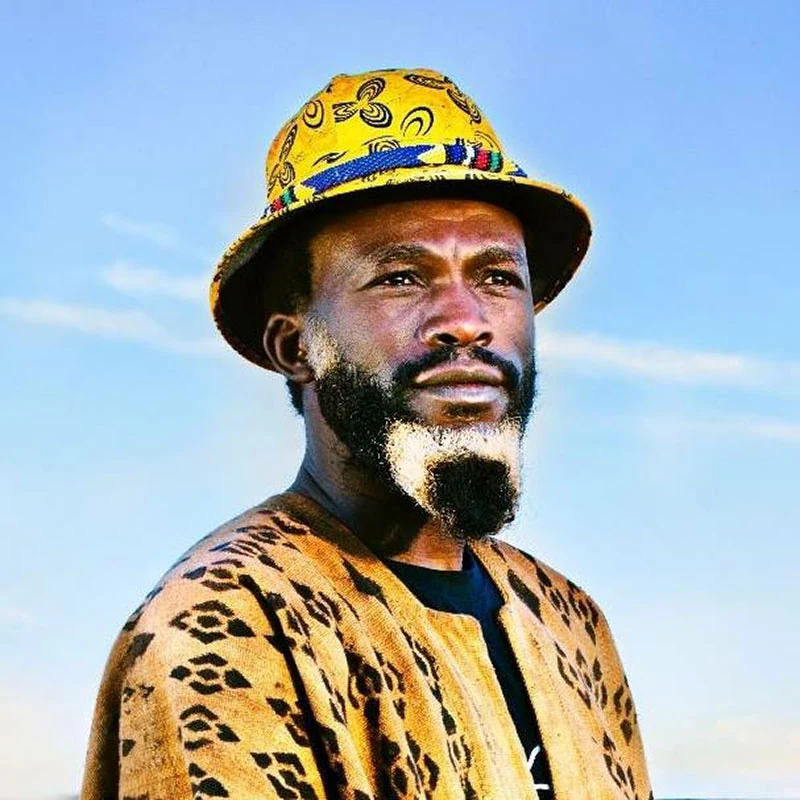
Joshua Maponga
Zimbabwean author and public speaker
“a Jewish white identity”
In his 2021 interview, Maponga uses this phrase to criticise the identity he believes Christianity imposes. This is a short excerpt from his answer about spirituality and religion. [1]
The answer
Following Jesus does not require becoming European, despising your language or treating your people as spiritually inferior. Jesus was a first-century Jewish man, not the white European figure familiar from some religious art. The Bible locates him within Israel’s story, but it does not make Jewish ethnicity a requirement for salvation. Paul explicitly rejects imposing that requirement on Gentile believers. A white image of Jesus and the living Jesus are different objects of investigation.
Maponga’s objection matters because Christian institutions have sometimes attached the gospel to cultural contempt. The response should begin with repentance wherever that happened. Clothing, instruments, African names, languages and family belonging should not be condemned simply because they are African. Yet cultural affirmation cannot decide every spiritual claim. European traditions and African traditions alike need examination wherever they make claims about worship, revelation or salvation. No culture becomes infallible through being ours.
The Christian invitation is to belong to Christ as an African. That belonging also challenges every people’s loyalties: no nation, ancestor, race or civilisation can take God’s place. Revelation portrays redeemed people from many peoples and languages, not humanity made culturally uniform. Ask exactly what a church is demanding: trust in Jesus, or imitation of someone else’s culture? Rejecting racial domination is compatible with examining Jesus’ claims seriously.
Read in Scripture: Acts 15:7–19 · Galatians 3:26–29 · Revelation 7:9–10