An illustrated glossary of terms readers may encounter in conversations about African religion, healing, family rites and cultural identity.
Understanding a term is the beginning of careful Christian engagement—not an endorsement of every belief attached to it.
How to use this guide
A glossary, not a label-maker
South Africa contains many peoples, languages and local traditions. A word may change meaning between families and regions. Use these definitions to begin a respectful conversation, then ask the person what the term means in their own practice.
Culture and worship must not be collapsed into one another. A marriage custom, plant, garment or family gathering is not automatically religious. Christian discernment asks what authority is invoked, to whom an act is directed and what spiritual result is expected.
Recognise the term
Four words often seen as well as heard
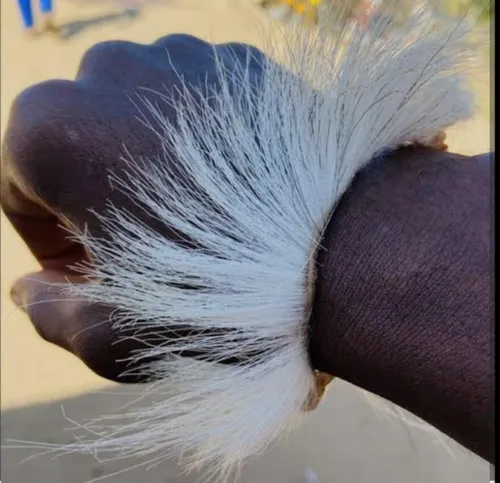
AmathamboA divination set may contain bones, shells, dice and other meaningful objects.UkuthwasaInitiation is a process of formation under a trainer, not merely one event.UmuthiThe word can mean medicine; its use may be herbal, ritual, or both.IsiphandlaIts meaning must be learned from the wearer rather than guessed from appearance.
A–Z glossary
Terms, meanings and careful distinctions
01
Umbrella term
African Traditional Religion
ATR · African Indigenous Religion (AIR)
Plain meaning
A scholarly umbrella for Africa’s many indigenous religious worlds. It can include belief in a creator, ancestors, spirits, divination, sacrifice, healing and ritual obligations. There is no single African religion with one creed or founder.
Important distinction
Always name the people, language and region being discussed. Xhosa, Zulu, Sotho and Shona traditions overlap, but they are not interchangeable.
02
Spiritual beings
Amadlozi
Izinyanya · Abaphantsi · ancestors
Plain meaning
Deceased family members believed to remain involved in the life of the household. They may be approached for guidance, protection, correction or family continuity.
Important distinction
Remembering and honouring the dead is not the same as addressing them, seeking revelation from them or offering ritual service to them.
03
Religious specialist
Sangoma
Igqirha in isiXhosa
Plain meaning
A healer-diviner whose work may include diagnosis, divination, ritual cleansing and interpretation of ancestral communication. Training and practice differ across regions and lineages.
Important distinction
Do not assume that every traditional health practitioner performs divination. Herbal knowledge and ancestral mediation must be discussed separately.
04
Vocation and system
Ubungoma
Plain meaning
The vocation and body of practice associated with becoming and serving as a sangoma or igqirha. It usually describes more than a job: it is understood as a spiritual calling and identity.
Important distinction
Ask what authority guides the practice, how spiritual knowledge is received and what the practitioner believes brings healing or protection.
05
Initiation
Ukuthwasa
Intwaso · thwasa
Plain meaning
A process of training and initiation into traditional healing or divination, usually under an experienced trainer. Dreams, illness or unusual experiences may be interpreted as signs of a calling.
Important distinction
The same word can describe a long training journey, not merely a final ceremony. Details vary between communities.
06
Religious authority
Gobela
Trainer or spiritual mentor
Plain meaning
An experienced practitioner who trains and guides a thwasa. The gobela teaches ritual practice, interpretation and the responsibilities of the calling.
Important distinction
The relationship is spiritual as well as instructional, so it should not be reduced to an ordinary teacher–student arrangement.
07
Divination
Amathambo
Bones · divination set
Plain meaning
Objects cast and interpreted during divination. A set may include bones, shells, dice, coins or other meaningful items; the reading is understood to disclose hidden spiritual or relational causes.
Important distinction
The important issue is not the material itself, but the claim that the cast reveals knowledge through spiritual agency.
08
Healing
Umuthi
Muti · medicine
Plain meaning
A broad word for medicine or remedy. It can refer to ordinary plant-based treatment, but in some settings medicine is ritually prepared or used for spiritual protection, luck, cleansing or harm.
Important distinction
Never translate every use of umuthi as ‘witchcraft.’ Ask what the substance is, how it is prepared and what power is being claimed for it.
09
Ritual substance
Impepho
Mphepho · Helichrysum
Plain meaning
An aromatic plant that may be burned in healing, cleansing or ancestral ritual. Its smoke can be associated with prayer, communication or preparation of sacred space.
Important distinction
A plant is part of creation; the theological question concerns the spiritual meaning and action attached to its use.
10
Ritual object
Isiphandla
Goatskin wristband
Plain meaning
A strip of animal skin worn after certain family ceremonies or sacrifices. Meanings vary, but it can signify identity, participation, protection or connection with the family and ancestors.
Important distinction
Do not judge the wearer from appearance alone. Ask what the band means to that person and what would be feared if it were removed.
11
Birth and belonging
Imbeleko
Plain meaning
A family rite associated with welcoming or introducing a child into the family and lineage. Practice differs: some treat it primarily as cultural celebration; others explicitly address ancestors and make sacrifice.
Important distinction
The name of a rite does not settle its meaning. Christians should ask what is said, to whom it is directed and what the sacrifice is believed to accomplish.
12
Ritual gathering
Umsebenzi
Family work · ceremony
Plain meaning
Literally ‘work’ or ‘service,’ but often used for a significant family ceremony connected with the dead, thanksgiving, cleansing, unveiling or lineage obligations.
Important distinction
Ask which umsebenzi is intended. The word may name very different events, from a family gathering to explicit ancestral ritual.
13
Cleansing
Ukuhlamba
Washing · cleansing
Plain meaning
A word for washing or cleansing that may refer to ordinary washing, mourning practices, purification after death or a spiritually interpreted ritual cleansing.
Important distinction
Context matters. Physical washing, symbolic mourning and a claim to remove spiritual danger are not the same action.
14
Marriage custom
Lobola
Bridewealth
Plain meaning
A marriage practice through which families negotiate gifts, responsibilities and the joining of households. Lobola is a social and legal-cultural institution, not automatically ancestor worship.
Important distinction
Religious acts may be added to lobola, but the negotiation itself should not be labelled idolatry. Separate marriage custom from any accompanying invocation or sacrifice.
15
Moral and social concept
Ubuntu
Umntu ngumntu ngabantu
Plain meaning
A family of ideas about personhood, human interdependence, dignity and community. It is used in ethics, politics, theology and everyday speech; it is not one fixed religious doctrine.
Important distinction
Ubuntu can express genuine neighbour-love, but no human community is morally ultimate. Its claims must still be tested by the character and revelation of God.
A Christian posture
Learn the language. Love the person. Test the claim.
Accurate vocabulary prevents caricature. It also helps Christians identify the real spiritual question instead of condemning an object, custom or language simply because it is African.
Images are documentary illustrations. Sources include Wikimedia Commons, Corinna Kern/Time, Rebecca Beinart and Independent Media. Their inclusion does not imply endorsement or condemnation of the individuals shown.