Explore questions · Church & mission

Cultural identity movements in Southern Africa

An extensive field dictionary for Christians, missionaries and curious readers: history, leadership, beliefs, identity, syncretism and biblical discernment.

Shembe pilgrims at Nhlangakazi mountain in KwaZulu-Natal
Shembe pilgrims at Nhlangakazi, KwaZulu-Natal

A necessary definition

What do we mean by “cult”?

In popular speech, cult is often just an insult for an unfamiliar group. That is too careless for Christian apologetics. Here it means a movement that seriously departs from historic Christian faith by redefining God, Christ, salvation or Scripture—and may bind followers to a controlling leader, revelation or ritual system.

Not every African-initiated church is a cult. African dress, drums, dance, healing prayer, communal authority and resistance to colonial Christianity do not make a church false. Doctrine, spiritual allegiance and the use of power must be examined.

How to use this dictionary

DocumentWhat can be established historically?
ListenWhat does this branch say it believes?
DiscernWhere is culture, and where is rival worship?
TestWho has final authority: Christ or another mediator?
Zion City Moria, headquarters of the Zion Christian Church, seen at dusk
Zion City Moria, Limpopo—the sacred headquarters of the ZCC
“Test the spirits to see whether they are from God.”1 John 4:1

A–Z field guide

Movements, churches and spiritual systems

Descriptions summarise recurring public teaching. Belief varies within movements, and succession is contested in several. The linked sources allow readers to investigate further.

01

African-initiated Zionist church

Zion Christian Church

ZCC · ZCC Star · St Engenas ZCC
Zion City Moria in Limpopo at dusk
Zion City Moria—the ZCC’s headquarters and pilgrimage centre
Bishop Barnabas Lekganyane
Founder / leadershipBishop Barnabas Lekganyane, leader of the larger ZCC

History

Engenas Barnabas Lekganyane established the movement in the early twentieth century after experiences he understood as divine calling. Moria in Limpopo became its sacred headquarters and Easter gathering place. After Engenas died in 1948, succession conflict produced the larger ZCC led through Edward Lekganyane’s line and the St Engenas ZCC led through Joseph Lekganyane’s line.

The ZCC emerged within the same early Zionist world that emphasised divine healing, baptism and the active work of the Holy Spirit. Engenas Lekganyane’s authority grew through prophecy, healing claims and organisational ability. The church’s numerical scale, economic networks and disciplined public presence later made it a major social institution—not merely a set of unusual rituals.

Leadership & authority

Bishop Barnabas Lekganyane is widely identified as leader of the larger ZCC. A separate Lekganyane line leads St Engenas ZCC. Secrecy and branch distinctions mean outsiders should avoid treating every report as official doctrine.

In practice, authority operates through Scripture, prophetic direction, church rules and loyalty to the Lekganyane office. The theological pressure point is whether the bishop is a respected overseer under Christ or a necessary conduit of blessing whose word becomes functionally unchallengeable. The 1948 division also shows why ‘the ZCC’ must not be discussed as though the Star and Dove branches are identical.

Core beliefs & practices

  • The Bible, Christian worship, baptism and prayer in Jesus’ name
  • Prophecy, healing and deliverance; blessed water, tea or coffee may be used
  • Badges, cords, uniforms, disciplined choirs and the Mokhukhu male organisation
  • Moria pilgrimage and strong loyalty to the bishop’s spiritual office

Why it appeals

It offers African dignity, order, belonging, healing and a vast mutual-support community without requiring worshippers to become culturally European.

Syncretistic fault line

The key question is not whether worship looks African. It is whether blessed objects, the bishop, pilgrimage or prophetic instructions function as necessary channels of protection and grace. Where trust shifts from Christ’s finished work to a sacred centre, object or office, Christian symbols have been joined to another system of mediation.

Biblical assessment

Celebrate discipline, communal care, prayer and cultural ownership. Test every revelation by Scripture. No badge, liquid, cord, prophet or hereditary bishop can supplement Christ as mediator or guarantee spiritual safety.

Acts 17:11 · Colossians 2:8–15 · 1 Timothy 2:5

For missionaries and pastors

A missionary should first ask what a particular member believes the badge, cord, water or coffee actually does. Some may describe an aid to faith; others may treat it as protection carrying the bishop’s power. The pastoral answer must address the person’s real trust, not simply attack the object.

Questions to ask a member

  • Who is Jesus in this movement—eternal Son, prophet, ancestor, messenger or model?
  • What must a frightened or guilty person do to become safe?
  • Can the leader’s revelation be corrected from Scripture?
  • What happens if a member refuses a ritual or leaves?
02

African-initiated prophetic church

Nazareth Baptist Church

Shembe · amaNazaretha · Ibandla lamaNazaretha
Shembe followers walking on pilgrimage
amaNazaretha on pilgrimage toward the sacred mountain
Historical portrait of Isaiah Shembe
Founder / leadershipIsaiah Shembe, founder of the Nazareth Baptist Church

History

Isaiah Mdliwamafa Shembe founded the church around 1910 in Natal. He preached, healed, composed hymns and built the sacred settlement of Ekuphakameni. The movement rooted Christian language in Zulu life through Sabbath observance, dance, pilgrimage and distinctive worship. Repeated succession disputes later created major branches, including eBuhleni and Thembezinhle.

Isaiah Shembe’s genius was religious and cultural. He preached in isiZulu, composed a large hymn tradition, gathered land and communities, and created a religious world in which Zulu bodily movement, dress, law and sacred geography were not discarded. The January pilgrimage and July festivals became formative acts of collective memory.

Leadership & authority

There is no uncontested single leader for all amaNazaretha. Leadership is dynastic and branch-specific; court cases have accompanied competing succession claims. Any current leader must therefore be named together with the branch represented.

Shembe’s status is the central doctrinal issue. Followers and branches do not always explain him in the same way: prophet, servant, messianic figure and unique revealer may overlap in popular devotion. Dynastic succession intensifies the issue because access to sacred authority can become tied to the founder’s bloodline and recognised seat.

Core beliefs & practices

  • Saturday Sabbath, baptism, prayer, biblical language and moral discipline
  • Sacred dance, Shembe hymns, white robes and pilgrimage to Nhlangakazi
  • The Shembe leader as divinely appointed prophet; descriptions of his status differ across branches and adherents
  • Zulu identity and inherited customs incorporated into church life

Why it appeals

Shembe demonstrated that Africans could follow a religious path wearing African dress, singing African music and resisting colonial contempt for Zulu identity.

Syncretistic fault line

Cultural form is not the central problem. The decisive issue is Christology: does Isaiah Shembe or a successor merely teach about Christ, or become a unique mediator whose authority and saving role belong to Christ alone? Claims about Shembe must be assessed from a branch’s own teaching, not caricature.

Biblical assessment

African worship and resistance to racial humiliation deserve honour. But no prophet, ancestor or dynasty may share Christ’s unique identity, mediation or saving glory. Scripture—not sacred family succession—is the final court of appeal.

John 1:1–18 · Acts 4:12 · Hebrews 1:1–4

For missionaries and pastors

Do not begin by condemning dancing, bare feet, Sabbath observance or African dress. Begin with the identity of Jesus and the function of the Shembe mediator. Ask whether a believer may approach the Father fully through Christ without the founder, current iNkosi or sacred mountain.

Questions to ask a member

  • Who is Jesus in this movement—eternal Son, prophet, ancestor, messenger or model?
  • What must a frightened or guilty person do to become safe?
  • Can the leader’s revelation be corrected from Scripture?
  • What happens if a member refuses a ritual or leaves?
03

A large, diverse church family—not one denomination

African Zionist Churches

amaZiyoni · Zion Apostolic churches
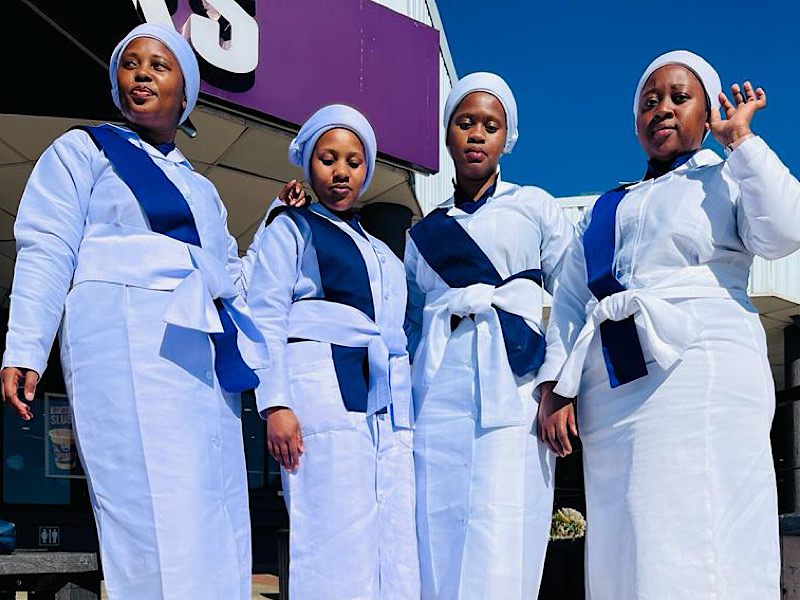
Young African Zionist women in white and blue church uniforms
Uniform, colour and communal worship visibly identify many Zionist churches
A Southern African Zionist sacred centre
Founder / leadershipThere is no single Zionist leader: thousands of churches have their own bishops and prophets

History

Southern African Zionism grew from early-twentieth-century contact with Zion healing teaching associated with John Alexander Dowie, missionary networks and African evangelists. Africans reshaped these influences into thousands of independent churches. Some are orthodox Pentecostal churches; others combine Christian and ancestral cosmologies.

‘Zionist’ is an umbrella category created by history, migration and family resemblance. Churches range from small neighbourhood congregations to enormous transnational bodies. Common visual forms spread between them, but doctrine can differ sharply. One church may confess the Trinity and preach salvation by grace; another may place ancestors and prophetic medicines inside its Christian system.

Leadership & authority

Usually a bishop, prophet or founding family leads each independent body. There is no pope, headquarters or creed governing all Zionists.

Local founders often receive authority through dreams, healing success and recognised spiritual gifts. Leadership may then become hereditary. Because many churches lack written theology, lived ritual tells the story: who names the cause of illness, whose instruction settles a crisis, what substance protects the body and whose revelation may not be questioned?

Core beliefs & practices

  • Healing, prophecy, dreams, visions and exorcism
  • White or coloured uniforms, staffs, cords and church badges
  • River baptism, night vigils, circular dance and African hymnody
  • Rules concerning food, purity and protection vary greatly

Why it appeals

Zionist churches meet illness, fear and family crisis with an embodied African Christianity and close community. They also created spaces of Black leadership under segregation.

Syncretistic fault line

Syncretism appears when ancestors become revelatory agents, prophets become indispensable mediators, or uniforms, water and cords are treated as spiritual technologies. Yet appearance alone proves nothing: white robes or drums are not unbiblical.

Biblical assessment

Evaluate one congregation at a time. Ask who God is, who Jesus is, how salvation is received, what authority prophecy carries and what members believe protects them.

1 Corinthians 12–14 · 1 John 4:1–3 · Hebrews 10:10–14

For missionaries and pastors

Missionaries often mistake unfamiliar liturgy for heresy and familiar Western liturgy for orthodoxy. Both are errors. Learn the congregation’s prayers, testimony language, healing practice, funeral teaching and understanding of the Spirit before reaching a conclusion.

Questions to ask a member

  • Who is Jesus in this movement—eternal Son, prophet, ancestor, messenger or model?
  • What must a frightened or guilty person do to become safe?
  • Can the leader’s revelation be corrected from Scripture?
  • What happens if a member refuses a ritual or leaves?
04

African-initiated healing church

St John’s Apostolic Faith Mission

St John’s AFM
St John’s Apostolic Faith Mission worshippers gathered outside a church building
St John’s Apostolic Faith Mission worshippers gathered in Evaton
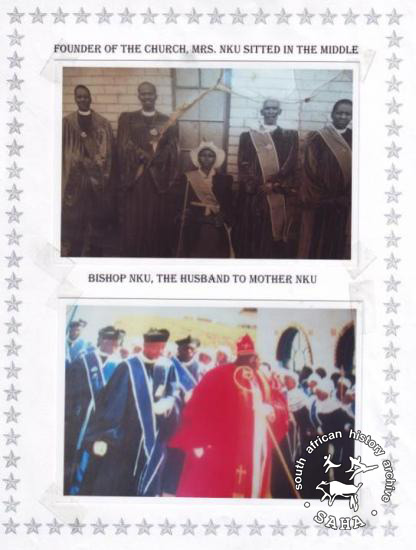
Historical group portrait showing Christina Nku and Bishop Nku with members of St John’s Apostolic Faith Mission
Founder / leadershipChristina Nku with Bishop Nku and members of St John’s Apostolic Faith Mission

History

Christina Nku, an influential Black woman prophet and healer, founded St John’s in the late 1930s. The church developed at Evaton and became known for prayer, healing, holy water and women’s leadership. After Nku’s death, succession struggles and schisms produced multiple groupings.

Nku’s ministry grew among people denied dignity, health care and leadership opportunity. Her church combined Pentecostal prayer with a structured healing system involving blessed water, washing and laying on of hands. Schools, bursaries, choirs and women’s networks made St John’s a community of survival as well as worship.

Leadership & authority

Leadership differs among successor bodies. Petros Masango became a prominent leader of one major continuation, while Nku’s family and other claimants led separate branches. A signboard bearing the same name does not necessarily indicate one administration.

Nku held charismatic authority as ‘spiritual mother’ while male archbishops held constitutional office. Conflict after Lazarus Nku’s death produced the Evaton–Germiston divide and later splinters. This makes both gender and succession essential to the history: institutional titles did not always match the person whom followers regarded as spiritually powerful.

Core beliefs & practices

  • Prayer in the name of Jesus, baptism and biblical preaching
  • Prophetic healing, visions and holy water
  • Uniformed worship and strong roles for women
  • In some settings, African spiritual diagnoses coexist with Christian language

Why it appeals

Nku’s ministry challenged both racial domination and male exclusion, while offering healing and belonging to poor Black communities.

Syncretistic fault line

Healing prayer is biblical; treating water or a prophet as possessing controllable sacred power is not. Visions must serve the apostolic gospel rather than create a second source of authority.

Biblical assessment

Honour Christina Nku’s historical agency and the church’s care for marginalised people. Reject every practice that turns a gift, healer or substance into the mediator of grace.

Acts 8:9–24 · James 5:13–16 · Galatians 1:8

For missionaries and pastors

The right comparison is not ‘water versus no water’—Christians baptise and Scripture uses material signs. The question is whether blessed water becomes a repeatable spiritual medicine and whether the healer’s revelation outranks the public Word of God.

Questions to ask a member

  • Who is Jesus in this movement—eternal Son, prophet, ancestor, messenger or model?
  • What must a frightened or guilty person do to become safe?
  • Can the leader’s revelation be corrected from Scripture?
  • What happens if a member refuses a ritual or leaves?
05

African-initiated messianic/Pentecostal church

International Pentecost Holiness Church

IPHC · often mistakenly called IPCC
International Pentecost Holiness Church headquarters at Zuurbekom
The IPHC headquarters at Silo, Zuurbekom
Historical photograph of IPHC founder Frederick Modise
Founder / leadershipFrederick S. Modise, founder and ‘Moemedi’ of the IPHC

History

Frederick Samuel Modise founded the IPHC in 1962 after a healing experience he interpreted as a divine commission. The church moved from Meadowlands to its headquarters at Silo, Zuurbekom. Modise was called Moemedi (‘Comforter’). His son Glayton led after 1998. Glayton’s death in 2016 was followed by a bitter, ongoing succession division.

Modise’s story is built around suffering and healing. After illness and hospitalisation, he testified that God commissioned him to establish a church where healing would be central. His title Moemedi carried enormous theological weight, and Silo developed into a sacred centre for a tightly ordered community.

Leadership & authority

There is no universally recognised post-2016 leader. Tshepiso Modise, Michael Sandlana and other claimants lead rival factions. Reporting should name the faction and date; legal recognition of property or office is not itself a theological verdict.

IPHC succession after Glayton Modise exposed the fusion of spiritual office, family inheritance, property and legal recognition. Several factions each claim continuity. A comprehensive account must therefore separate founder theology from present factional claims and must not imply that a court ruling proves who carries divine authority.

Core beliefs & practices

  • Biblical and Pentecostal language, healing, prayer and strict moral teaching
  • Exceptional spiritual claims attached to Frederick Modise as Comforter
  • Sacred authority concentrated in a hereditary or divinely selected leader
  • Large gatherings, uniforms and Silo as an important sacred centre

Why it appeals

The church offered healing, dignity, economic solidarity and a powerful African institution created under apartheid.

Syncretistic fault line

Jesus promised ‘another Helper’, the Holy Spirit—not a human successor who shares the Spirit’s identity. When Moemedi language gives a leader the unique office of the Holy Spirit, or salvation and access to God become dependent on that leader, the gospel is redefined.

Biblical assessment

Do not confuse social achievement with doctrinal truth. Ask directly whether the Comforter is the Holy Spirit, whether Modise is a prophet or more than a prophet, and whether Christ’s work is sufficient.

John 14:16–17, 26 · John 16:7–15 · 2 Corinthians 3:17

For missionaries and pastors

Ask members to explain ‘Comforter’ in their own words. If it means pastor or advocate in an ordinary sense, critique must be precise. If Frederick Modise is identified with the promised Paraclete or treated as the indispensable bearer of salvation, the movement has assigned a human leader the Holy Spirit’s office.

Questions to ask a member

  • Who is Jesus in this movement—eternal Son, prophet, ancestor, messenger or model?
  • What must a frightened or guilty person do to become safe?
  • Can the leader’s revelation be corrected from Scripture?
  • What happens if a member refuses a ritual or leaves?
06

Modern African indigenous spiritual movement

Revelation Spiritual Home

RSH · The Revelation Church of God
Imboni uZwi-Lezwe Radebe speaking at a lectern
Revelation Spiritual Home presents African spiritual restoration as a public mission
Imboni Dr uZwi-Lezwe Radebe in ceremonial clothing
Founder / leadershipFounder and leader Imboni Dr uZwi-Lezwe Radebe

History

Samuel Radebe established the movement in 2009. It later adopted the name Revelation Spiritual Home and presents itself as an African Indigenous Initiated Church restoring African spiritual identity. Its public materials speak of Umfihlakalo (‘the Mystery’) and a mission extending through Southern Africa and beyond.

RSH belongs to a newer post-apartheid wave that does not merely Africanise church worship but re-narrates African indigenous spirituality as the revelation suppressed by colonial Christianity. Its language of nation, ancestral ascendancy, healing and Umfihlakalo creates a complete identity-world rather than an occasional cultural supplement.

Leadership & authority

The founder leads as Imboni Dr uZwi-Lezwe Radebe. ‘Imboni’ presents him as a seer and bearer of spiritual revelation.

Imboni is not presented simply as a trained theologian. The title locates Radebe as seer, revealer and interpreter of the Mystery. Public teaching and ritual instruction therefore depend heavily on his charismatic authority. The movement’s contemporary media visibility also allows one leader’s voice to shape many branches rapidly.

Core beliefs & practices

  • African spirituality as a path of restored identity and knowledge
  • Revelations associated with Umfihlakalo and the Imboni
  • Ancestral ascendancy and spiritual healing
  • Use of water, salt and other revealed elements in healing ministry

Why it appeals

RSH speaks directly to people who feel Christianity alienated Africans from their names, ancestors, spiritual vocabulary and historical dignity.

Syncretistic fault line

The longing for decolonised identity is real, but ancestry is not a source of saving revelation. A new seer, mystery or ritual element cannot stand beside Scripture and Christ as an authoritative way to God.

Biblical assessment

Ask what ‘God’ means in the movement, whether ancestors mediate, whether Imboni’s revelations can be corrected by Scripture, and whether Jesus is the eternal Lord or one spiritual figure inside a larger African system.

Deuteronomy 18:10–12 · John 14:6 · Colossians 1:15–20

For missionaries and pastors

A Christian response must engage the decolonial charge honestly: missions sometimes confused European culture with holiness. That sin does not validate ancestral revelation. Ask whether RSH’s God is the triune God, whether the dead mediate knowledge, and whether the Imboni’s word can be rejected on biblical grounds.

Questions to ask a member

  • Who is Jesus in this movement—eternal Son, prophet, ancestor, messenger or model?
  • What must a frightened or guilty person do to become safe?
  • Can the leader’s revelation be corrected from Scripture?
  • What happens if a member refuses a ritual or leaves?
07

Modern African-centred spiritual/cultural movement

Great Empire of Kemet Movement

GEK · Kemet movement
Ancient Egyptian ankh symbol
The ankh—ancient Egyptian sign of life and a central modern Afrocentric symbol
Mkhulu Nsingiza holding a microphone during a Great Empire of Kemet radio interview
Founder / leadershipMkhulu Nsingiza, co-founder and leading public teacher

History

The movement is associated publicly with Mkhulu Nsingiza and a programme of African restoration, unity and return to Kemet—the modern name many Afrocentric movements use for ancient Egypt. Its self-presentation is movement-like rather than a conventional Christian denomination.

GEK draws on Pan-Africanism, Kemetic reconstruction and the teaching legacy associated with Credo Mutwa. Its calendar, ceremonies, divine names and historical claims seek to restore a civilisational memory. The movement is best read as an alternative sacred history of African people, not only as interest in Egyptology.

Leadership & authority

Mkhulu Nsingiza is its best-known public teacher and leader. Publicly accessible independent scholarship on the organisation remains limited, so detailed claims should be attributed to its own teaching rather than asserted as settled fact.

Mkhulu Nsingiza describes himself as a Kemet historian, student of Credo Mutwa’s philosophy and co-founder of GEK. The movement’s authority is carried through teachers, reconstructed calendars, ancestral prayer and claims about recovered ancient knowledge. Academic Egyptology and modern Kemetic spiritual interpretation must not be treated as the same discipline.

Core beliefs & practices

  • Africa-centred recovery of identity, civilisation and spiritual knowledge
  • Kemet/ancient Egypt as a privileged source for African restoration
  • Critique of Christianity as a colonial or culturally displacing system
  • Use of ancient Egyptian vocabulary and symbolism, especially the ankh

Why it appeals

It promises an identity older than colonialism and answers the shame created by slavery, conquest and narratives of an Africa without civilisation.

Syncretistic fault line

The ankh historically signified ‘life’ in ancient Egypt; in modern use it often signals African consciousness and spiritual continuity. A symbol is not an argument. Ancient origin does not make a teaching true, and Egyptian religion cannot supply reconciliation with the holy God.

Biblical assessment

Christians should learn African history and reject colonial lies without romanticising antiquity. The biblical gospel arose in Africa and Asia as well as the Near East; its truth does not depend on European ownership.

Isaiah 19:19–25 · Acts 17:22–31 · Colossians 2:8

For missionaries and pastors

Correct Eurocentric history while testing romantic claims about antiquity. The ankh’s age does not make it a revelation, and ‘African’ does not automatically mean faithful or unified. Ancient Egypt itself contained changing gods, rituals and political theologies across millennia.

Questions to ask a member

  • Who is Jesus in this movement—eternal Son, prophet, ancestor, messenger or model?
  • What must a frightened or guilty person do to become safe?
  • Can the leader’s revelation be corrected from Scripture?
  • What happens if a member refuses a ritual or leaves?
08

Modern esoteric African spiritual school

Abakhaliphi BokuKhanya

Institution of Spiritual Knowledge
Abakhaliphi BokuKhanya teaching session
Abakhaliphi teaching circulates mainly through workshops, interviews and online video
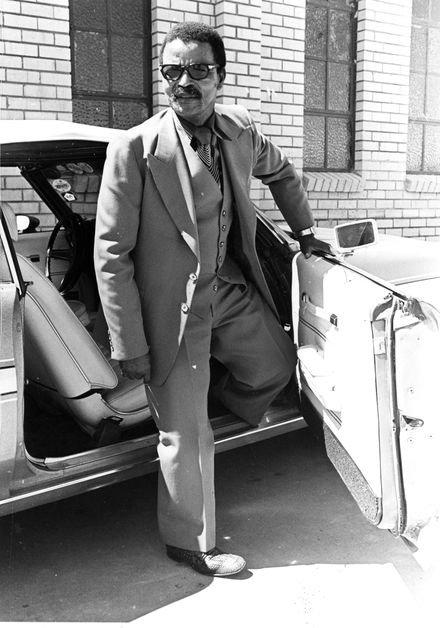
Abba Ayalew Amlak speaking
Founder / leadershipAbba Ayalew Amlak, founder and ‘Grandmaster’

History

Abakhaliphi BokuKhanya is a recent South African spiritual institution associated with Abba Ayalew Amlak. Its teachings circulate largely through talks, interviews and social media rather than a stable, publicly available confession of faith.

Because Abakhaliphi is recent and digitally mediated, its public teaching is still easier to observe in lectures than in a settled doctrinal statement. Themes include chakras or izithunywa, inner divinity, esoteric biblical interpretation, spiritual calling and critiques of received religion. Its vocabulary may shift between African traditional, biblical and metaphysical registers.

Leadership & authority

Abba Ayalew Amlak is presented as founder, teacher and, in some public material, ‘Grandmaster’. Because documentation is limited, claims about internal rank, membership or rituals require caution.

The title Grandmaster signals a teacher–disciple structure built around specialised knowledge. That does not by itself prove coercion, but it makes questions about transparency, correction and initiation essential. A reliable account should quote full teachings rather than infer an entire system from short clips.

Core beliefs & practices

  • Spiritual knowledge and awakening to divinity within the human person
  • African-centred reinterpretation of religion and identity
  • Esoteric readings of biblical language and symbols
  • A teacher-led path of insight rather than historic Christian catechesis

Why it appeals

It offers secret or recovered knowledge, African dignity and a confident guide for people dissatisfied with institutional Christianity.

Syncretistic fault line

Biblical union with God never means that humans are divine by nature. The Creator–creature distinction remains. ‘Hidden knowledge’ controlled by an elevated master resembles the pattern Christianity historically called gnosis.

Biblical assessment

Ask for primary definitions: Is God personal and distinct from creation? Is Jesus uniquely God incarnate? What is sin? How is a person reconciled to God? Can the teacher’s claims be publicly tested?

Genesis 1:1, 26–27 · Romans 1:21–25 · 1 Timothy 6:15–16

For missionaries and pastors

Ask whether ‘divinity within’ means bearing God’s image, participation by grace or literal divine identity. Those are radically different claims. Also ask what historical method controls reinterpretations of the Bible and whether ordinary hearers may test the Grandmaster’s reading.

Questions to ask a member

  • Who is Jesus in this movement—eternal Son, prophet, ancestor, messenger or model?
  • What must a frightened or guilty person do to become safe?
  • Can the leader’s revelation be corrected from Scripture?
  • What happens if a member refuses a ritual or leaves?
09

Diverse transnational ethnoreligious movements

Black Hebrew Israelites

Hebrew Israelites · Israelite identity movements
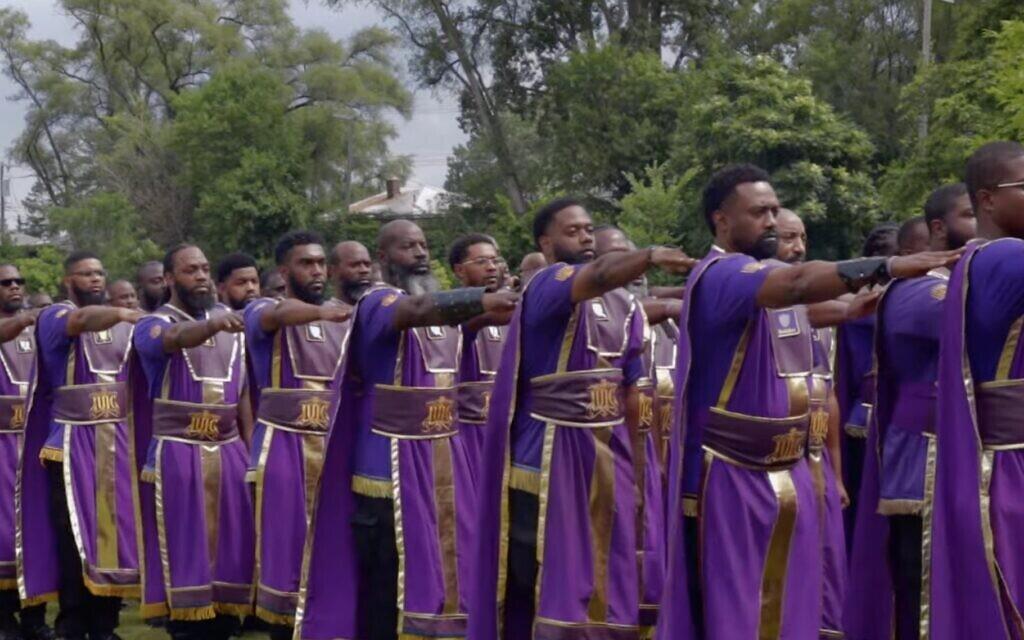
Black Hebrew Israelite group in purple and gold robes
Uniforms, fringes and public teaching identify some—though not all—Israelite camps
African religious visitors inside a Johannesburg synagogue
Founder / leadershipAfrican Israelite identity is not one organisation and has no universal leader

History

Black Israelite movements arose in the United States in the late nineteenth century through figures such as Frank Cherry and William Saunders Crowdy. Different camps later spread internationally, including to Southern Africa. They should not be confused with Beta Israel of Ethiopia or with all Black Jews.

Black Israelite movements developed from the collision of the Bible with slavery, segregation and stolen identity. Reading Exodus and the prophets, oppressed Black communities saw themselves in Israel’s story and some moved from analogy to biological descent. Later organisations created competing tribal maps, legal systems and messianic claims.

Leadership & authority

There is no universal leader. Congregations and camps follow their own teachers, commanders, bishops or councils. Some are peaceful religious communities; a smaller subset is authoritarian, racially supremacist or openly antisemitic.

Authority differs by camp: Torah, King James Bible, extra-biblical writings, a commanding council or charismatic teacher may dominate. Some communities are family-centred and nonviolent; some street-preaching camps weaponise racial humiliation. Responsible apologetics must name the exact organisation before attributing extremist belief.

Core beliefs & practices

  • Black people—sometimes particular African peoples—identified as biological biblical Israelites
  • Torah observance, Hebrew names, dietary rules, feasts and distinctive dress
  • Views of Jesus range from divine Messiah, to human messiah, to rejection
  • Some groups teach exclusive racial salvation; others do not

Why it appeals

The Israelite claim replaces an imposed identity of inferiority with election, ancestry, law, brotherhood and a heroic reading of Black history.

Syncretistic fault line

Scripture does not make disputed genealogy the ground of salvation. The Abrahamic promise reaches the nations in Christ, and God’s multiethnic people are created by faith—not melanin, DNA or invented tribal charts.

Biblical assessment

Never diagnose from clothing alone. Ask which organisation, what it teaches about Jesus and grace, and whether it condemns other ethnicities. Refute racial pride without repeating racial contempt.

John 8:31–47 · Romans 2:28–29 · Galatians 3:26–29

For missionaries and pastors

Do not answer white racial theology with another racial theology. The New Testament does not erase ethnicity, but it destroys ethnic boasting before God. Investigate claims about lost tribes historically, then return to the gospel’s deeper issue: descent from Abraham cannot justify a sinner.

Questions to ask a member

  • Who is Jesus in this movement—eternal Son, prophet, ancestor, messenger or model?
  • What must a frightened or guilty person do to become safe?
  • Can the leader’s revelation be corrected from Scripture?
  • What happens if a member refuses a ritual or leaves?
10

Ancestral healer-diviner vocation—not one cult or church

Ubungoma

Sangoma practice · ukuthwasa
Sangoma ritual garments and objects in an indumba
Regalia and ritual objects inside an indumba
A sangoma interpreting thrown bones
Founder / leadershipUbungoma has trainers and lineages, but no central founder or supreme leader

History

Ubungoma is a family of Southern African healing and divination traditions with different Nguni and regional forms. A person commonly reports an ancestral calling, illness or dreams, enters ukuthwasa under a trainer, and is initiated as a sangoma. The practice predates colonial Christianity but continues to change in cities, churches and online spaces.

Ubungoma is sustained through calling narratives and apprenticeship. Ukuthwasa interprets troubling dreams, illness or disruption as summons by ancestors; the trainee learns divination, ritual, medicines and a lineage’s obligations. Urban practice, Christian language, wellness markets and social media are now reshaping older forms.

Leadership & authority

There is no central founder or global leader. Authority lies with ancestors, a trainer (gobela) and local lineages of practice. Traditional-health legislation may recognise practitioners’ work without endorsing every spiritual claim.

Authority is distributed between ancestral spirits, the gobela, ritual precedent and the diviner’s recognised gift. This is why there is no founder portrait to place at the top. The spiritual claim is nevertheless clear: the living may receive diagnosis, vocation and instruction from the dead or spirit world.

Core beliefs & practices

  • Ancestral calling communicated through dreams, illness or unusual experience
  • Divination by bones or other objects and interpretation of spiritual causes
  • Ritual cleansing, sacrifice, medicines and communication with ancestors
  • Some practitioners invoke God, Jesus or church symbols alongside ancestral practice

Why it appeals

Ubungoma supplies vocation, identity, family continuity, community care and explanations for suffering. Some people also seek it because biomedical care is inaccessible or culturally alienating.

Syncretistic fault line

Calling ubungoma one ‘cult’ is a category mistake, but its spiritual core conflicts with biblical faith wherever the dead are consulted, spirits guide revelation, sacrifice addresses ancestors, or fear requires ritual protection. Herbal knowledge and community care must be distinguished from divination.

Biblical assessment

Christians should not mock sufferers or deny ordinary medicine. They should offer compassionate care while renouncing necromancy and every rival mediator. Deliverance must not become another fear-based market.

Leviticus 19:31 · Deuteronomy 18:9–14 · Isaiah 8:19–20 · Acts 16:16–18

For missionaries and pastors

Separate three matters often confused: empirical plant knowledge, culturally sensitive counselling and spiritual divination. Christians may learn from the first two without receiving revelation from ancestors. People leaving ubungoma need patient discipleship, family support and freedom from fear—not sensationalism.

Questions to ask a member

  • Who is Jesus in this movement—eternal Son, prophet, ancestor, messenger or model?
  • What must a frightened or guilty person do to become safe?
  • Can the leader’s revelation be corrected from Scripture?
  • What happens if a member refuses a ritual or leaves?
11

Southern African Apostolic movement

Johane Marange Apostolic Church

Apostles of Johane Marange
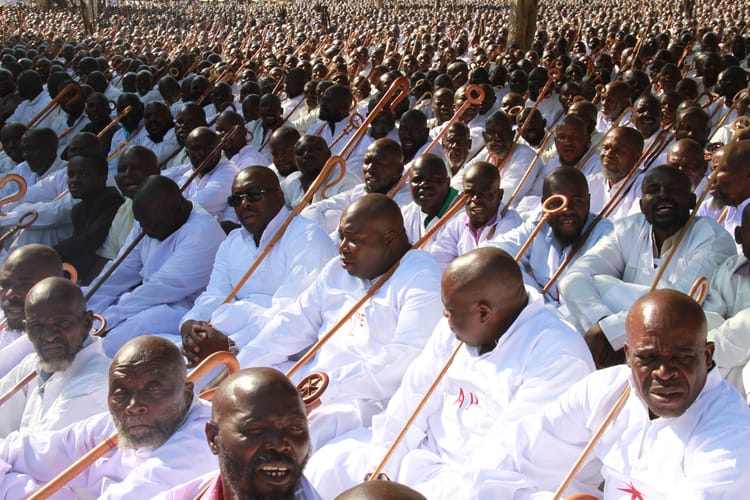
Large Johane Marange Apostolic Church gathering in white robes
A Johane Marange gathering: white robes, staffs and outdoor worship
Johane Marange church history presentation
Founder / leadershipJohane Marange founded the movement in 1932; later authority followed family lines

History

Johane Marange began preaching in colonial Zimbabwe in the 1930s after visions and a call he attributed to John the Baptist. The movement spread through Zimbabwe, Mozambique, Botswana, South Africa and beyond, becoming one of the region’s largest Apostolic bodies.

Johane Marange’s visions generated a self-governing African church with its own sacred calendar, Passover gathering, purity system and missionary expansion. Its rejection of foreign control gave dignity and mobility to rural adherents. At the same time, strict regulation of family and body made the church unusually comprehensive in members’ lives.

Leadership & authority

Authority developed through Marange’s family and male church hierarchy. Local organisation varies across countries and schisms.

Revelations attributed to Marange and later prophetic leadership function alongside biblical texts. Authority passed through family and male hierarchies, with later disputes and regional adaptations. Reports about medicine, schooling, marriage and vaccination must be dated and located rather than assumed universal.

Core beliefs & practices

  • Saturday worship, outdoor services, white robes and strict discipline
  • Prophecy, healing and strong purity regulations
  • Rejection of some conventional medical interventions in certain communities
  • Polygyny and patriarchal marriage practices have been defended in parts of the movement

Why it appeals

The church offers a disciplined African sacred community, direct revelation and distance from Western mission control.

Syncretistic fault line

Prophecy cannot cancel apostolic teaching or place women and children beyond protection. Where revelation is used to deny medical care, compel marriage or shield leaders from accountability, spiritual authority has become destructive.

Biblical assessment

Test doctrine and fruit together. A church’s African independence does not excuse coercion, and a harmful practice must not be protected as culture.

Matthew 7:15–23 · Ephesians 5:21–33 · 1 Timothy 5:8

For missionaries and pastors

Cultural independence is a genuine historical achievement. It cannot make coercion holy. Mission must defend women and children, challenge compulsory marriage or denied care where documented, and show that apostolic authority is preserved in Scripture rather than inherited through a prophetic family.

Questions to ask a member

  • Who is Jesus in this movement—eternal Son, prophet, ancestor, messenger or model?
  • What must a frightened or guilty person do to become safe?
  • Can the leader’s revelation be corrected from Scripture?
  • What happens if a member refuses a ritual or leaves?
12

South African apostolic-succession church

Twelve Apostles’ Church in Christ

TACC · Ibandla labaPostile Abalishumi Elinambini
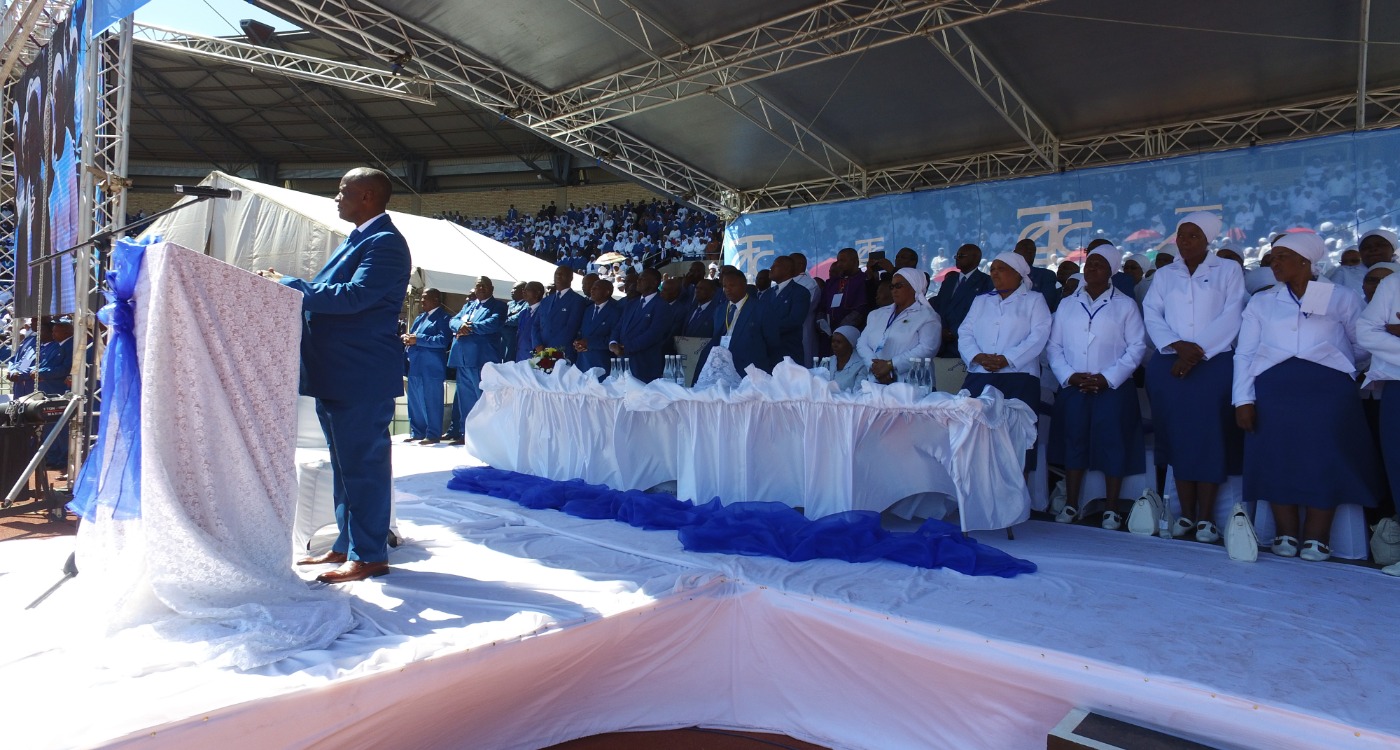
Twelve Apostles’ Church in Christ leaders and congregants gathered beneath a large worship tent
TACC worship places living apostles at the centre of a highly ordered church structure
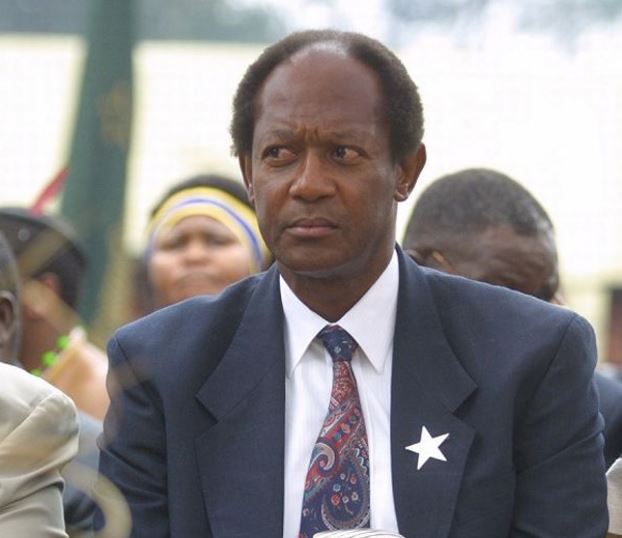
Chief Apostle Caesar Nongqunga in a blue suit
Founder / leadershipProfessor Caesar Nongqunga, Chief Apostle since 1995

History

TACC belongs to a line of apostolic churches that developed from the nineteenth-century Catholic Apostolic movement, through later European and South African apostolic bodies. Its own history traces a South African succession through Carl George Klibbe, S. Hlatshwayo and Jim Scotch Ndlovu. In 1978, Siqu David Pakhathi and Ndlovu formed the Twelve Apostles’ Church in Christ; it was registered in 1979. Pakhathi died in 1994 and Caesar Nongqunga succeeded him as Chief Apostle in 1995.

TACC’s history must not be confused with an unbroken institutional chain beginning with the New Testament Twelve. Its modern genealogy runs through the Catholic Apostolic revival of the 1830s and later apostolic schisms before taking a distinct South African form. The church’s scale, community programmes and African leadership help explain its influence, but size and continuity claims do not settle the exegetical question.

Leadership & authority

Professor Caesar Nongqunga is presented by TACC as the current Chief Apostle and spiritual head, serving with living apostles across districts and nations. The office is justified through Peter’s prominence, the replacement of Judas in Acts 1 and the claim that Christ’s apostolic ministry must continue in living office-holders.

TACC reads Matthew 16 and Acts 1 as establishing both Peter’s superior office and an enduring pattern of replacement. Yet Acts 1 gives exceptional qualifications: the replacement had to accompany Jesus’ ministry and witness his resurrection. The New Testament later names elders and deacons for ordinary continuing church government; it never establishes a hereditary or indefinitely replenished office of Chief Apostle.

Core beliefs & practices

  • Living apostles are necessary officers in Christ’s church today
  • A Chief Apostle continues Peter’s leading office among the apostles
  • Holy Baptism, Holy Communion and Holy Sealing are central sacraments
  • Holy Sealing is described as baptism with the Holy Spirit through the laying on of hands by a living apostle
  • The church’s public dogma distinguishes ‘Jesus David’ as the human person and ‘Jesus Christ’ as the spiritual person, the Son of God

Why it appeals

TACC offers visible authority, spiritual certainty, disciplined community and a proudly African church with substantial social presence. Its living-apostle structure promises believers direct continuity with the church of Acts rather than dependence on a merely inherited Western institution.

Syncretistic fault line

The problem is not African leadership, formal clothing or laying on of hands. It is the addition of a present apostolic hierarchy as a necessary channel of the Holy Spirit and sacramental fullness. This risks placing salvation and assurance under living apostles rather than under Christ’s once-for-all work and the Spirit received by every believer through faith.

Biblical assessment

The Twelve were unique eyewitness-foundations of the church, appointed by Christ and represented with the prophets as the church’s completed foundation. Matthias replaced Judas before Pentecost because Judas had abandoned a unique numbered office; Acts never commands every later death to be filled. Paul calls the gospel—not a continuing Chief Apostle—the power of God for salvation. Pastors and missionaries continue apostolic teaching; they do not inherit the apostles’ foundational authority.

Acts 1:21–26 · Acts 2:42 · Ephesians 2:19–22 · Ephesians 4:11–16 · Galatians 1:8–9

For missionaries and pastors

Do not merely tell members that ‘apostles ended.’ Open Acts 1 and ask who met its eyewitness qualification. Compare the repeated appointment of elders with the absence of repeated apostolic replacement after James dies in Acts 12. Then show positively that believers receive the Spirit through hearing the gospel with faith and belong to the apostolic church by holding to the apostles’ written teaching—not by Holy Sealing from a living apostle.

Questions to ask a member

  • Who is Jesus in this movement—eternal Son, prophet, ancestor, messenger or model?
  • What must a frightened or guilty person do to become safe?
  • Can the leader’s revelation be corrected from Scripture?
  • What happens if a member refuses a ritual or leaves?
Ancient Egyptian ankh symbol of life
The ankh: an ancient Egyptian sign for “life,” now reused in many Afrocentric movements

Read the symbol

The ankh is not a Christian cross

The visual resemblance does not make the meanings identical. The ankh belongs to ancient Egyptian writing and religion; the cross points to the historical crucifixion and resurrection of Jesus. Modern Kemet movements use the ankh to express African civilisation, life and spiritual recovery. Christians can understand that identity claim without baptising the symbol’s religious world.

A biblical response should not be “Egypt is evil.” Egypt is part of Africa, appears throughout Scripture and sheltered the infant Christ. The response is that neither European power nor Egyptian antiquity saves. Jesus does.

Practice in view

Ubungoma must be understood before it is answered

Bones, medicines, garments and initiation form part of a living spiritual system—not museum decoration. Christian witness must distinguish useful knowledge of plants and compassionate community care from divination, ancestral mediation and ritual fear.

A sangoma performing divination by reading thrown bones
A sangoma interpreting thrown bones in Pretoria

Seven questions for discernment

Do not begin with the uniform. Begin with authority.

  1. God: Is God the triune Creator, or an impersonal force, mystery or highest ancestor?
  2. Jesus: Is Jesus the eternal Son and only mediator—or one messenger among many?
  3. Scripture: Can a prophet, ancestor, dream or secret teaching overrule the Bible?
  4. Salvation: Is reconciliation received by grace through faith, or maintained through rituals and loyalty?
  5. Protection: What does a member trust when afraid—Christ, or water, cords, badges, herbs and a leader?
  6. Identity: Does ethnicity become a path to election, superiority or salvation?
  7. Power: Can leaders be questioned and members leave without threats, shame or spiritual terror?

Pastoral posture

Go hard on error. Go gently with people.

People rarely join these movements because they want a theological mistake. They may seek healing, African dignity, family belonging, certainty, protection or an answer to colonial humiliation. Name that longing before exposing the counterfeit.

Do not demand that converts become culturally Western. Give them something better than ridicule: a local church that prays, bears burdens, honours family rightly, protects the vulnerable and demonstrates that Jesus is not a foreign tribal god but Lord of all nations.

Image credits

Shembe pilgrimage, Paul Weinberg; Zion City Moria, JMK, CC BY-SA 4.0; Ankh of life, Jeff Dahl, CC BY-SA 4.0; Sangoma reading bones, Mycelium101. Images document people and practices; their inclusion does not imply endorsement or condemnation of the individuals shown.